Panels Built to Handle Northern Utah Winters
Metal Roofing in Ogden for structures facing freeze-thaw cycles and heavy snow loads
Northern Utah's freeze-thaw cycles create expansion and contraction stress that splits rigid roofing materials and opens seams on poorly fastened systems. High North Roofing installs Standing Seam, PBR Panel, and Tuff-RIB metal roofing engineered to flex with temperature swings without cracking, using concealed fastener systems that prevent the thermal movement failures common in exposed-fastener installations. Metal panels shed snow rapidly rather than holding accumulated weight, reducing structural load during the heavy January and February storms that deposit two feet or more across the Wasatch Front.
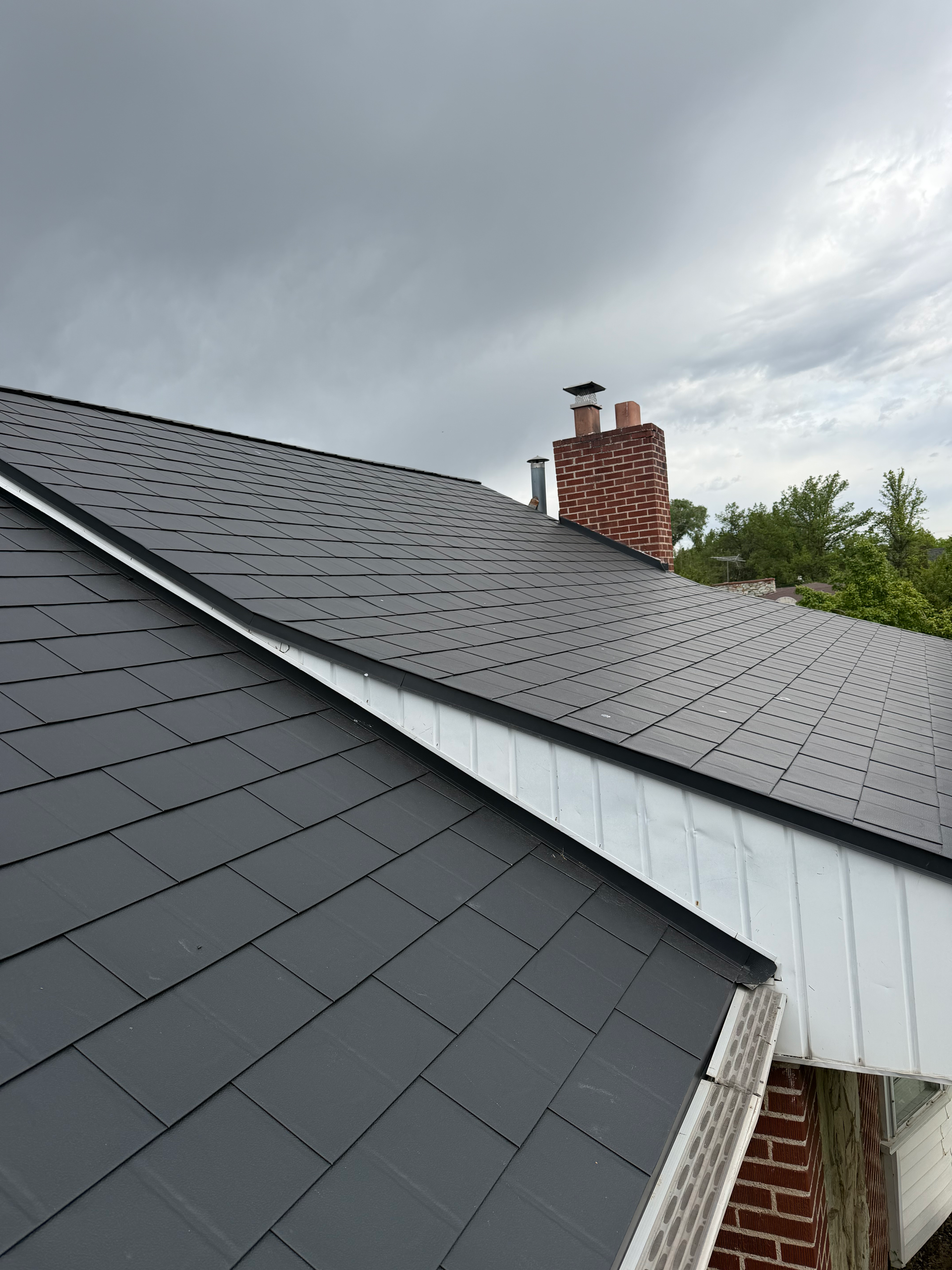
Installation begins with precise panel alignment along roof planes and continues with heavy-duty fasteners placed at manufacturer-specified intervals to resist wind uplift ratings exceeding 110 mph. The crew applies custom-formed flashing around every penetration—vents, chimneys, skylights—and seals panel overlaps with concealed clips or continuous sealant beads depending on system type. This attention to fastener placement and flashing integration prevents the water infiltration that occurs when installers rush panel attachment or skip secondary sealing steps.
Arrange an on-site consultation to evaluate your building's structural capacity and panel profile options.
How Metal Systems Address Ogden's Climate Extremes
Metal panels reflect UV radiation rather than absorbing it, which lowers attic temperatures by fifteen to twenty-five degrees compared to dark asphalt shingles during July and August heat. This reflective property reduces air conditioning demand and prevents the thermal cycling that degrades underlayment and accelerates shingle aging on adjacent roof sections. The panels interlock along seams to create continuous weatherproof barriers that block wind-driven rain and prevent ice dam formation because smooth surfaces don't trap meltwater like textured shingles.
Once installed, you notice that snow slides off within hours of a storm rather than accumulating for days, eliminating the need for dangerous roof raking and reducing ice buildup along eaves. Attic spaces stay cooler in summer, and heating costs drop in winter because metal's low thermal mass doesnates transfer outdoor temperature extremes to interior spaces. The roof remains silent during rain events when proper underlayment dampens the drumming noise that older metal installations produced, and panels maintain their factory finish without the fading or granule loss visible on aged shingles.
Metal roofing resists cracking and rust when panels receive factory-applied Kynar or Galvalume coatings, and it carries a lifespan exceeding forty years with virtually no maintenance beyond periodic fastener checks. Standing Seam systems allow for thermal expansion through clip mechanisms that let panels move without stressing fastener points, which prevents the oil-canning and waviness that develops in rigidly attached panels.
Common Questions About This Service
Property owners considering metal roofing in Ogden often need clarification about performance, installation methods, and long-term expectations.
What distinguishes Standing Seam from exposed-fastener panels?
Standing Seam systems use concealed clips that attach to the roof deck while allowing panels to expand and contract freely, creating clean lines without visible fasteners and eliminating the leak points that develop when exposed screws loosen over time. Exposed-fastener systems like PBR Panel cost less initially but require periodic fastener maintenance as rubber washers degrade under UV exposure.
How does metal roofing perform during Ogden's high wind events?
Properly installed metal panels with fasteners spaced according to engineered wind load calculations resist uplift forces exceeding 110 mph, far surpassing the performance of mechanically attached shingles that begin lifting at sixty to seventy mph during spring windstorms common along the Wasatch Front.
When does it make sense to choose metal over asphalt shingles?
Metal roofing justifies its higher upfront cost on properties where longevity, energy efficiency, and minimal maintenance outweigh budget constraints, particularly for homeowners planning to stay in place for fifteen years or more and for commercial buildings where roof access for repairs creates operational disruption.
What preparation does the existing roof structure need?
High North Roofing inspects decking for rot or deflection, verifies rafter spacing and load capacity, and installs high-temperature underlayment rated for metal's heat transfer characteristics before panel installation begins, ensuring the substrate can support metal's weight and thermal movement patterns.
Why do some metal roofs develop noise during temperature changes?
Thermal expansion noise occurs when panels are rigidly fastened without allowance for movement or when insufficient underlayment fails to dampen vibration, both issues eliminated through proper clip installation and synthetic underlayment specification during the initial build.
High North Roofing conducts complete structural evaluations and provides material samples in multiple finishes so you can assess appearance and gauge thickness before committing. Request a planning session to review panel profiles and coating options suited to your building's architecture.